Featured
Table of Contents
If you ever before find on your own thinking, "I'm doing it wrong," attempt reminding yourself that "there's no right or incorrect means of grieving."In addition, there's no specific order for the phases of pain. Our very first emotional response to loss could be anger and depression. This does not imply that we're not regreting appropriately.
And our feelings can come in waves of strength. Lots of individuals obtain annoyed with themselves due to the fact that they believe they're regreting too long.
It depends on the person, and it depends on the loss. And keep in mind that there's never a time when we're totally "done" with grief; we simply learn just how to make changes to the loss.
Sorrow is a challenging procedure that varies from one person to another. The 5 stages of pain denial, rage, bargaining, anxiety, and acceptance are a helpful framework for thinking regarding pain, yet it does not indicate we'll undergo every phase. We can experience these facets of grief at different times, and they do not happen in one specific order.
The Therapeutic Process for Accomplished Healthcare Workers in Therapy
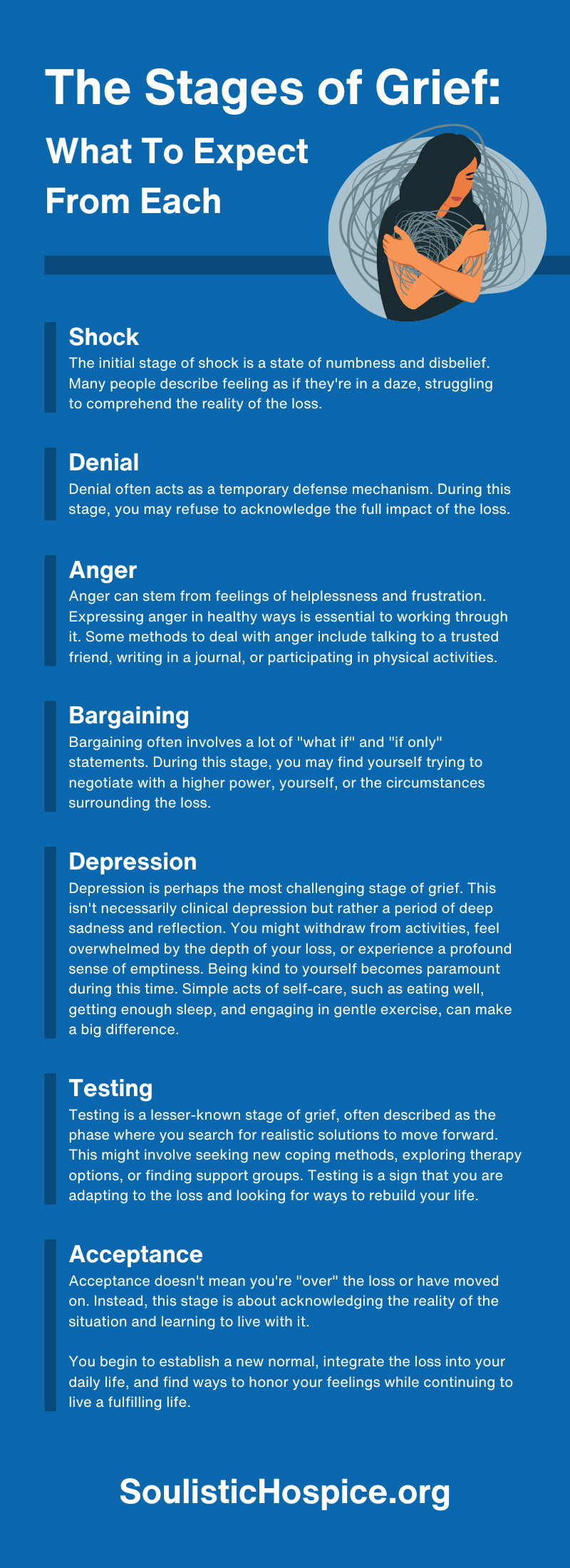
Believe it or not, all of these are some form of pain or the experience of coping with loss. As we function our method through experiences like these, we're most likely to go via various stages or emotions from rejection and anger to sadness and resentment.
We'll additionally check out typical misconceptions about sorrow and suggestions for managing loss. Allow's dive in. Before we study the five stages of sorrow, it's handy to recognize what sorrow is. Just put, despair is the experience of dealing with loss. And it's experienced by everyone in a distinctly personal way.
Grief can likewise originate from any modifications we experience in life, such as moving to a brand-new city or institution or transitioning into a brand-new age group. The reality is that all of us experience a certain level of grief throughout our lives. While some losses are much more extreme than others, they are no much less genuine.
The Hidden Burden of Career Success
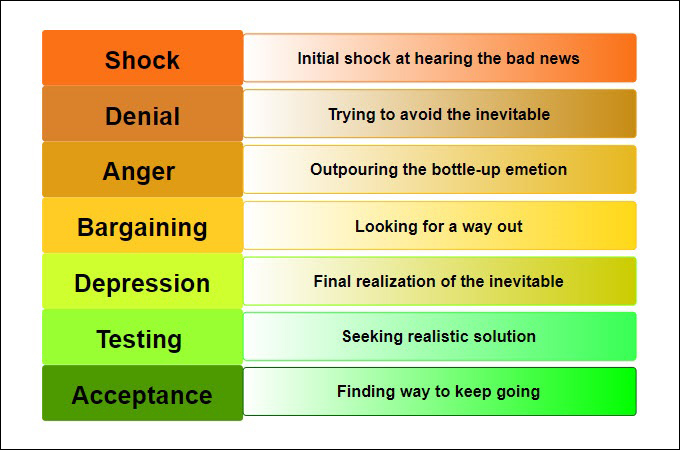
Many scientists have actually devoted years to examining loss and the emotions that accompany it. Among these professionals was Elisabeth Kubler-Ross, a Swiss-American psychoanalyst. She spoke with over 200 people with incurable diseases and recognized five typical stages people experience as they grapple with the truths of their impending death: rejection, rage, negotiating, anxiety, and approval.
Kubler-Ross's job focused on pain actions from people who are dying, numerous of these phases can be used to pain throughout any type of kind of loss. We might really feel like we approve the loss at times and then relocate to another phase of despair once again.
Choosing the Right IFS Therapist in Your Area for Professional Therapy
Similarly, just how much time we spend browsing these stages differs from individual to person. It may take us hours, months, or longer to refine and recover from a loss. Keeping that in mind, let's take a closer take a look at each of the 5 stages of pain: For many individuals, rejection or making believe the loss or change isn't taking place is often the first reaction to loss.
Ultimately, when we're grieving, we can start the recovery procedure by enabling the sensations and feelings we have actually rejected to resurface. Lots of people will certainly additionally experience anger as component of their pain. According to Kubler-Ross, pain from a loss is frequently rerouted and expressed as temper. To put it simply, rage is a way to hide the several feelings and discomfort that we're carrying as a result of the loss or change.
Despite the fact that our rational mind understands they're not to blame, our feelings are extreme and can conveniently bypass logical thinking. We likewise might blast motionless objects, strangers, good friends, or relative. We might feel angry at life itself. While we typically assume that anger is a negative emotion and something to be stayed clear of at all prices, it actually offers an objective and is a required part of healing.
Negotiating is a phase of despair that aids us hold onto hope throughout intense psychological discomfort. It's an effort to aid us restore control of a circumstance that has made us feel extremely prone and powerless. It's additionally one more way to aid us delay having to deal straight with the sadness, confusion, or hurt.
Actionable Tools for Beginning Your Therapeutic Process with EMDR in the Area
Clinical depression is commonly likened to the "peaceful" stage of pain, as it's not as energetic as the rage and bargaining phases. This can result in extreme feelings of despair, despair, and hopelessness. Signs of clinical depression can manifest themselves in various methods. We may really feel clouded, hefty, tired, overwhelmed or sidetracked.
In extreme instances, we may be incapable or resistant to wake up in the morning. Much like the various other stages of pain, depression is experienced in various means. But it's not an indication that something is wrong with us. Rather, it's an all-natural and ideal feedback to despair.
Instead, For instance, if we're regreting the death of a liked one, we might be able to express our gratefulness for all the terrific times we spent with them. Or if we're undergoing a separation, we may say something like, "This actually was the very best point for me." In this phase, we may end up being a lot more comfortable reaching out to family and friends, and we could even make brand-new relationships as time takes place.
Here are 3 common mistaken beliefs regarding regreting that we could believe when we consider our own or somebody else's way of grieving: Among one of the most typical misunderstandings regarding grieving is that every person experiences it similarly. However as we have actually developed, grieving is an unique journey that is different for everybody.
Releasing Perfectionist Beliefs
So if you ever locate on your own assuming, "I'm doing it incorrect," attempt reminding on your own that "there's no right or incorrect method of grieving."In addition, there's no specific order for the phases of grief. Our first psychological response to loss may be rage and clinical depression. This does not suggest that we're not grieving correctly.
And our feelings can be available in waves of intensity. At first, our feelings can be frustrating. Over time, the strength is likely to lessen although there may be moments when it's simply as fresh and overpowering as it was at. Lots of people get frustrated with themselves because they assume they're regreting also long.

Latest Posts
Why Defines Quality Trauma Treatment Different
Starting Your First Step in Recovery with Grief counseling
Individual vs Group and Group Therapy